
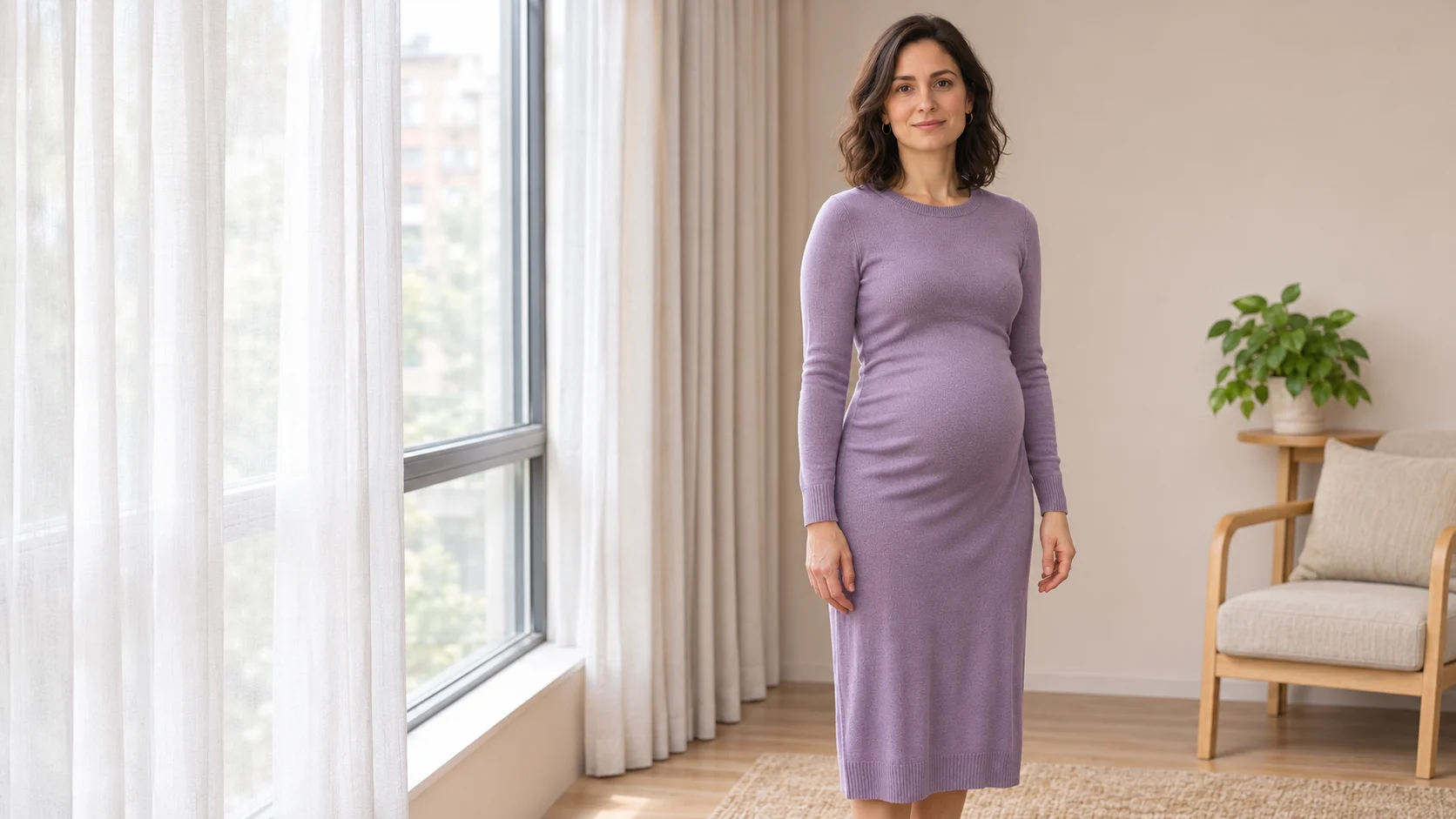
To create a believable AI maternity portrait, start with a clear adult photo that shows the face and torso, keep the intended change narrow, and review identity, hands, fabric, lighting, and background separately. Treat the result as an imagined creative concept—not a pregnancy confirmation, medical forecast, or exact body prediction.
Quick answer: what an AI maternity portrait can and cannot show
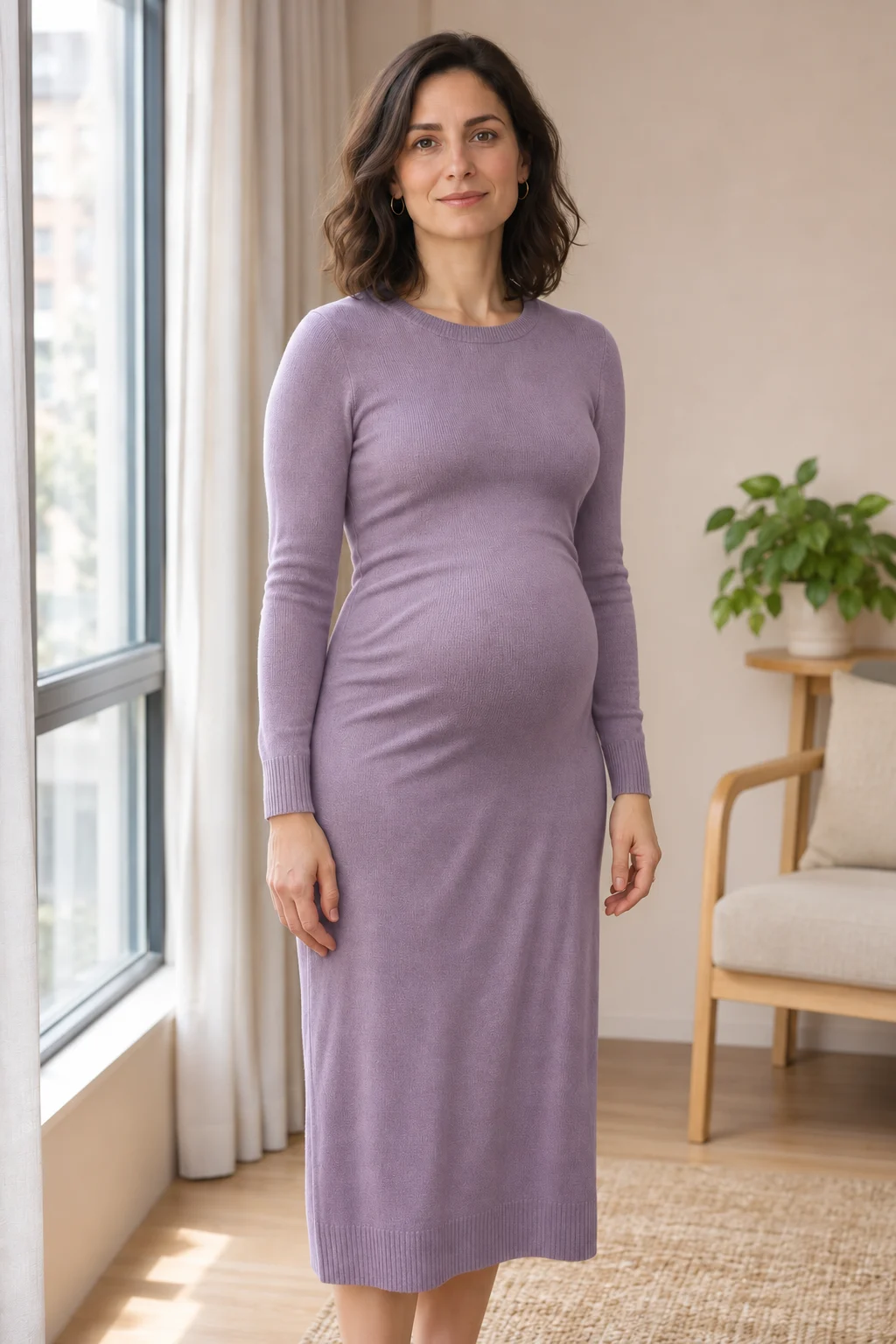
An AI maternity portrait is an imagined visual concept created from an adult reference photo. It can help explore framing, wardrobe mood, light, or a possible photography direction before arranging a real shoot. The useful goal is not to predict a body. It is to create one coherent portrait in which the person remains recognizable and the new silhouette, clothing, light, and setting still make sense.
Open the AI image and video generator in Generatorr and choose the dedicated AI Pregnancy Filter. The scene accepts one adult photo and applies a prepared, fully clothed maternity direction. The output is creative media—not a pregnancy test, due-date estimate, medical illustration, or promise about how anyone will look.
Choose a source photo with a clear torso and simple pose
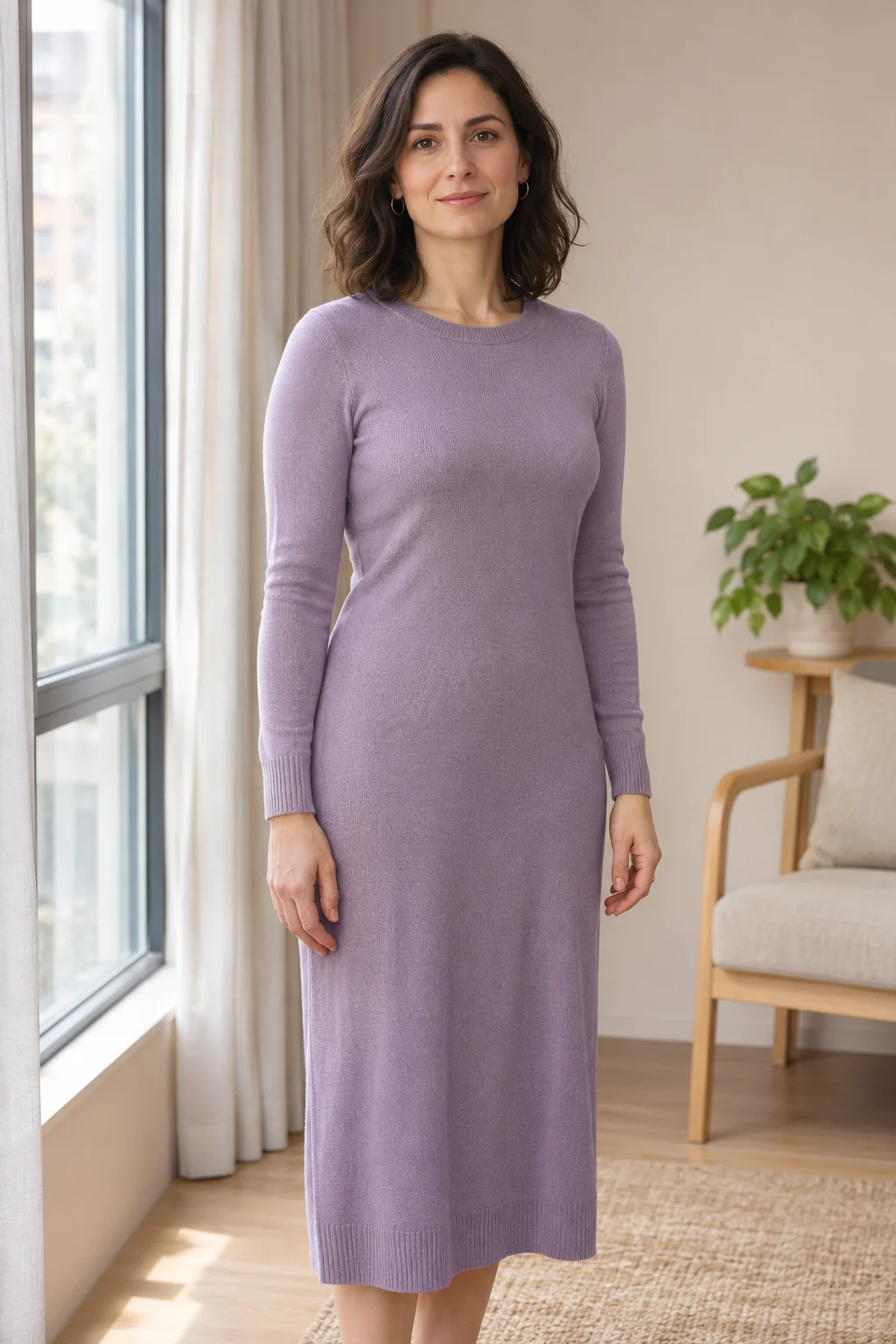
Use a sharp portrait that shows the adult subject from at least the chest to below the waist. A three-quarter or full-length frame gives the system evidence about posture, clothing, body direction, and the space around the torso. A tightly cropped face selfie forces it to invent the missing body and garment, making identity drift and awkward fabric more likely.
Keep the abdomen free from bags, furniture, crossed arms, or another person. Soft daylight is easier to interpret than strong backlight or deep shadow, and a plain background is safer than railings or patterns crossing the silhouette. Before uploading, use the five-minute portrait checklist to review focus, exposure, expression, framing, and useful space.
Keep the transformation narrow and respectful
The Generatorr scene is designed around one prepared maternity visualization. If identity, hairstyle, expression, clothing category, background, and camera angle all change at once, the result becomes a new fictional person rather than a useful variation. Start with one clear photo and let the scene make the intended silhouette change before considering a separate creative edit.
Tasteful does not mean one fixed aesthetic. Different clothing can work when the source supports it, but fabric should stretch, fold, and cast shadows in ways that match its material. The person should remain fully clothed, the pose should feel possible, and the image should not sexualize or embarrass the subject. Do not treat the result as an attractiveness score or an ideal body anyone must match.
Create the portrait in four simple steps
Open the AI Pregnancy Filter and add one JPG, PNG, or WebP photo by clicking, dragging, or pasting. Confirm that the preview is upright and includes the face, torso, and enough surrounding space. Check the displayed credit cost, select Generate, and let the request finish instead of starting duplicate generations while a result is processing.
Compare the completed portrait with the untouched original before downloading. If the face, hands, garment, or background changed too much, return to the source decision first. A clearer photo with a simpler pose is often more effective than repeatedly generating from an unsuitable crop.
- Choose one clear, permitted adult photo.
- Check orientation, crop, clothing, pose, and background.
- Review the current credit estimate before generating.
- Compare the result with the original at the same size.
- Download only a version that passes every review check.
Review identity before judging the new silhouette
Begin with features that should not change: eye spacing, eyebrows, nose, mouth, jawline, skin tone, hairline, expression, and visible accessories. Compare source and result side by side rather than relying on memory. A portrait can feel polished while quietly changing the person; reject any result that looks like a generic model instead of the adult in the source.
Inspect shoulder height, head direction, balance, and the relationship between arms and torso. Hands deserve special attention because fingers can merge with fabric when they overlap the new silhouette. Use the restrained approach from the natural AI photo retouching workflow: define what should change, protect everything else, and inspect at normal size and close range.
Check fabric, lighting, and grounding cues
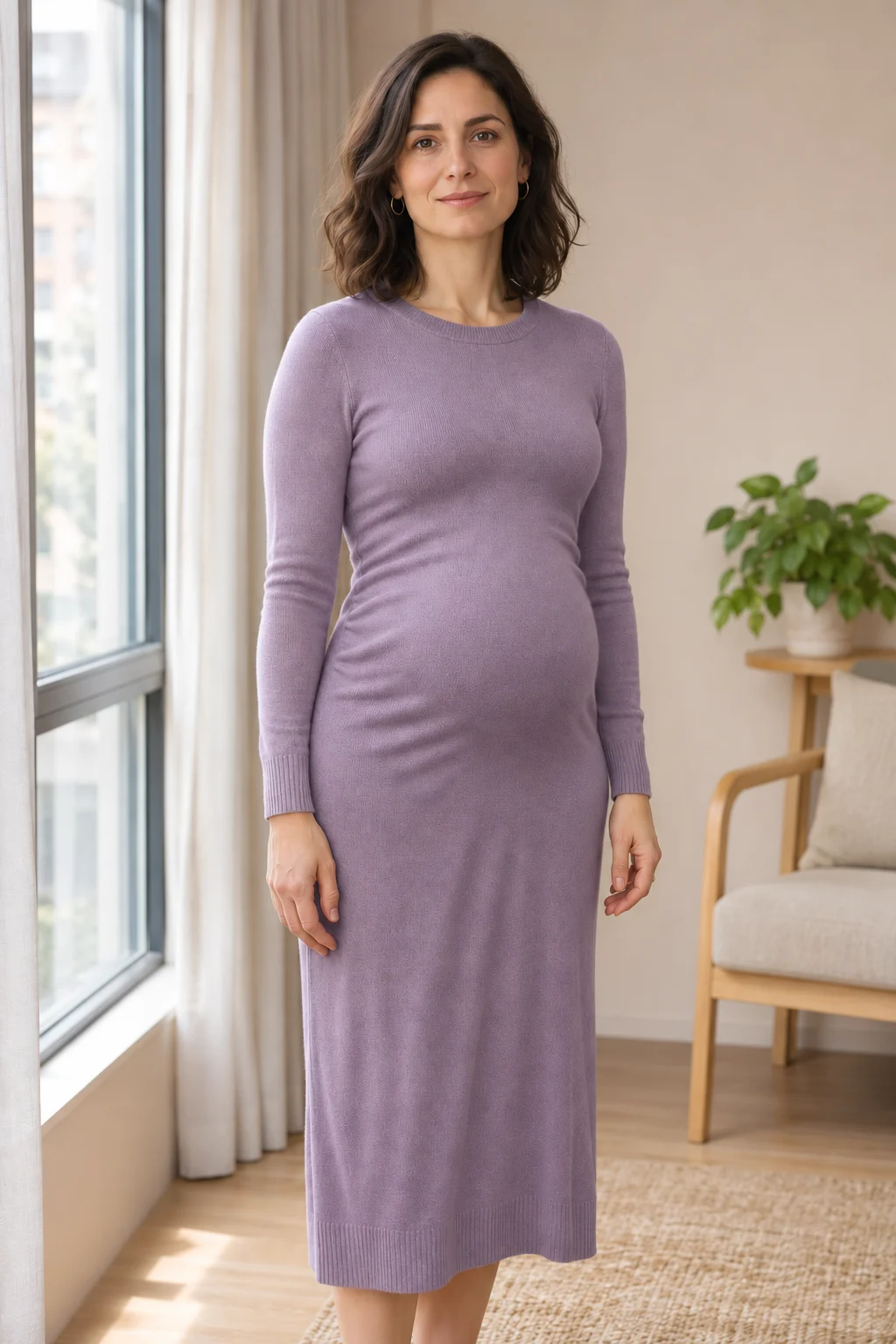
A convincing edit reshapes clothing rather than pasting a round form onto the image. Look for fabric tension that follows seams, waistlines, buttons, and gravity. A knit dress may stretch smoothly while woven fabric forms sharper folds. Reject repeated texture, melted patterns, broken zippers, and logos that change spelling.
Lighting must describe the new form consistently. Highlights and shadows should follow the same direction as the source, arms should meet clothing cleanly, and hips and legs should remain connected to the pose. Check straight door frames, furniture edges, curtains, and floor lines near the torso; local bending or duplicated objects shows that the edit changed more than intended.
Use the concept for planning without replacing real photography
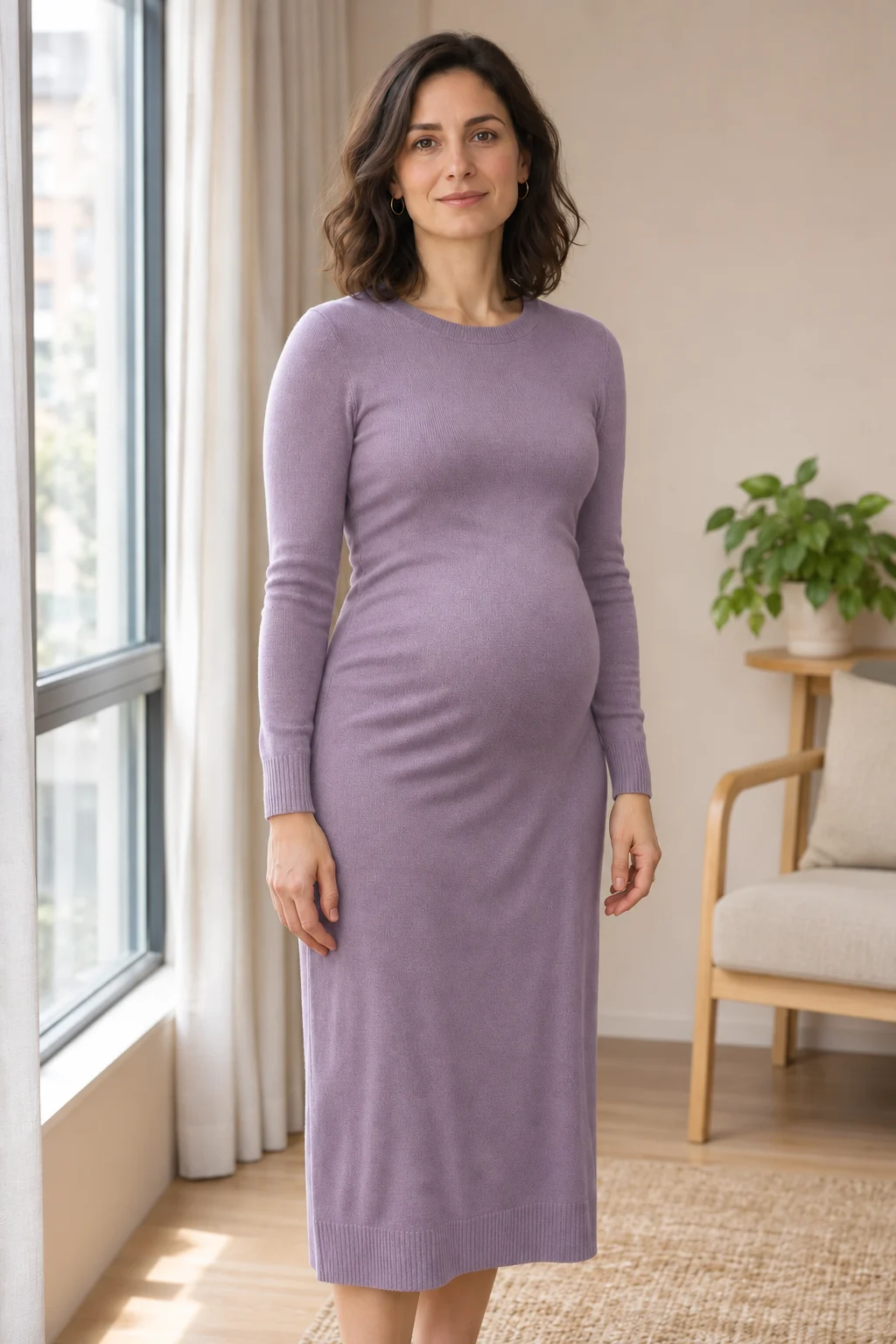
An imagined portrait can support a mood board for camera distance, background simplicity, dress color, sleeve shape, or a side versus three-quarter pose. Treat those elements as directions, not promises. A real photographer will adapt light, wardrobe, timing, pose, and comfort to the person on the day.
For a public post, identify the portrait as AI-generated. Do not present it as proof of a pregnancy, pressure a partner or relative, or use it as a distressing prank. If it accompanies a real announcement, the subject should approve both the image and its description. Brands should not use synthetic folds or proportions as evidence of real maternity-clothing fit.
Protect consent, privacy, and emotional context
Pregnancy and fertility can be emotionally sensitive. Use your own photo or obtain specific permission from the adult shown for this exact transformation. General permission to keep a portrait is not automatically permission to alter the body. Do not upload a stranger, former partner, colleague, celebrity, private individual, or minor.
Keep source and generated files in controlled storage, remove versions the subject does not want retained, and consider the audience before sharing. The responsible AI photo editing guide offers a broader framework for consent, privacy, identity, and honest communication. Respect may also mean choosing not to publish when the context is uncertain.
Final AI maternity portrait checklist
- The source shows one consenting adult with a clear face and visible torso.
- The crop leaves room for a coherent clothing and silhouette change.
- Identity, expression, hair, pose, and background remain recognizable.
- Hands and accessories do not merge into the garment.
- Fabric folds, patterns, highlights, and shadows remain believable.
- Straight background lines and nearby objects are not distorted.
- The result is understood as an imagined portrait, not medical information.
- Public context identifies the image as AI-generated when confusion is possible.
People also ask
Frequently asked questions
What is an AI maternity portrait?
It is an imagined, AI-generated portrait that applies a maternity-style silhouette to an adult reference photo. It is creative media, not a pregnancy confirmation, medical assessment, or exact body prediction.
What photo works best with an AI pregnancy filter?
Use a sharp three-quarter or full-length adult portrait with a visible face and torso, simple clothing, balanced light, relaxed hands, and a clean background.
Will the filter keep the face exactly the same?
The scene is directed to preserve identity, but generation can still reinterpret facial details. Compare the output with the original and reject any version that no longer looks like the same person.
Can it predict how someone will look when pregnant?
No. Real bodies and pregnancies vary. The generated silhouette is an artistic concept, not a biological, medical, or timing prediction.
Can I share it as a pregnancy announcement?
Only with the subject's explicit approval and clear context. Do not use a fictional image to mislead people, pressure someone, or create a distressing prank.